
If you find yourself wandering around the Arenal district of Sevilla, near the legendary Plaza de Toros, and are in need of refreshment, there’s only one place to go: Pepe Hillo. This traditional tapas tavern has a mid-twentieth century inspired-décor with tons of old bric-a-brac, newspapers, and – yep – mounted noggins of famous fighting bulls that make you feel like Joselito himself is going to tap you on the shoulder any minute. This is the kind of establishment that Spain’s meteoric rise in the period immediately after joining the Eurozone, and its population’s rush to embrace a future whose glaringly bright promise never quite arrived, placed on the endangered list. Old men are serving you and old men are sitting nearby nursing their late afternoon or lunch drinks, though quick with that wit topped with feigned arrogance that the Spaniards of Andalucia are so famous for.
If your Spanish is up to the task, you can get a decent amount of banter out of the comically cranky barkeeps. If not, you’ll still manage to lay your hands on fine examples of Andalucian tapas. Pulpo (exquisite octopus, grilled or fried), anchoas (anchovies like nothing you’ve tasted), various tortillas (a type of omelet, primarily of egg and potato), gazpacho, cola de toro (succulent stewed bull’s tail), and all manner of lovely jamóns
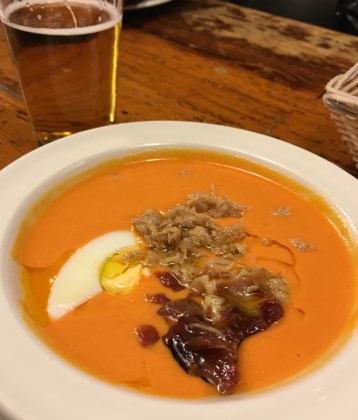
famously cured in the nearby mountains. But the real star of the show, their virtuoso performance that you can scarcely find anywhere else, and, for my money, one of the most refreshing Summer treats around, is the amazing Salmorejo Cordobés.
Just what is this salmorejo, you might ask? A shorthand might be gazpacho’s rich cousin. Whereas a gazpacho might be made primarily of tomatoes and present almost like a refreshing vegetable drink, a salmorejo should be a rich, creamy, emulsified cold soup only capable of being taken via a bowl and spoon. Boiled egg, Serrano or Ibérico jamón, and only the finest olive oil forms the holy trinity of delicious garnishes on the top. I’ve had it with olive oil preserved tuna in place of the jamón, but only once. I will go so far as to suggest that you not only order this rare and delicious beauty, but that you have it before ordering anything else just in case your taste buds drive you to order a second helping before moving to other portions of the menu.
As with many places in Spain, if you’re squeamish about bullfighting or a strict vegetarian, this may not be the place for you. As with many of my most favorite spots, a friendly local told me about this place and I’m damn glad I engaged the chap. You don’t have to be a fan of tauromaquia to enjoy a stop in Pepe Hillo, but a sense of joie de vivre and an adventurous appetite will serve you well.
Pepe Hillo, Calle Adriano 24, 41001 Sevilla, Spain
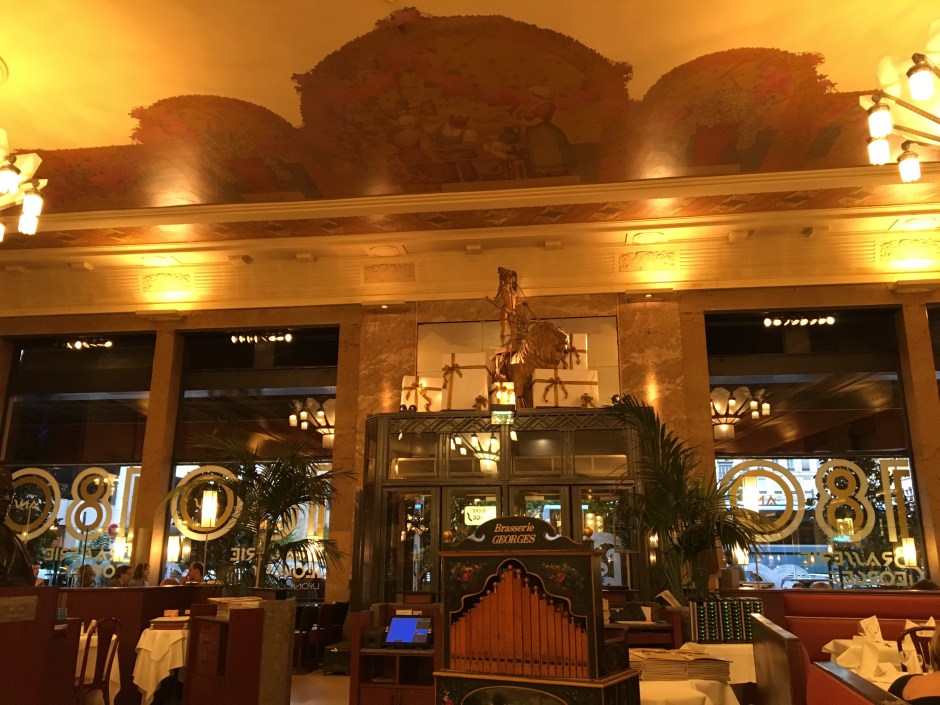
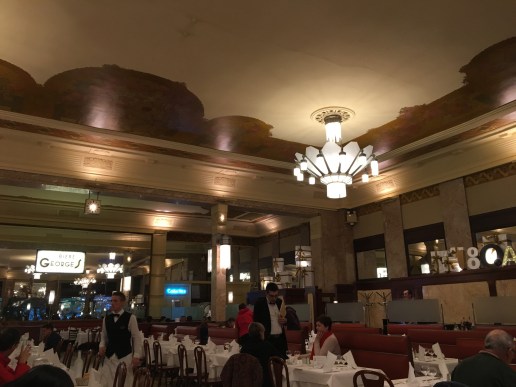 grande dame sits alongside Lyon’s old train station Perrache and features exquisite décor from the last two centuries. I found it because it’s a mere five minute stroll from the law faculty of the Catholic University of Lyon, where I teach as a guest professor in an executive course once a year. It’s a gorgeous space with substantial history, not all of which is readily discussed in polite company.
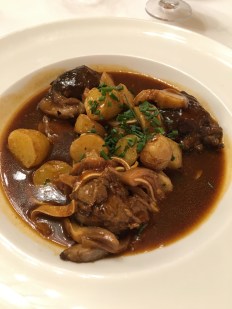 elegance of a well conducted orchestra. The food – all courses – are tip-top brasserie fare, with less reliance on the typical local delicacies of organ meat and offal that one encounters in the city’s legendary bouchons. That is, typically French, but not specifically Lyonnaise. Regardless, you can’t go wrong by following the chef’s daily suggestions in this bustling open space – perhaps the largest restaurant of its kind in Europe.
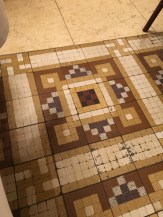 the German army favored Georges, using it as a beer house and social center. As with some parts of Europe, some evidence of the occupation survived the death of the “Butcher of Lyon.” Hence, what you might notice today if you have the misfortune, as I did, of dropping your salad fork.
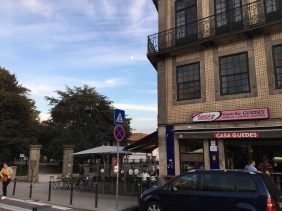 soon after landing. Our gracious AirBNB host gave us more great recommendations than we were ever able to hit, but his stories so frequently included roast pork and the local favorite francesinha sandwich (think Portuguese Hot Brown with ham, sausage, roast beef, coated in a cheese and tomato sauce) that we had to do a bit of our own searching. Casa Guedes, however, had enough options on offer that we made it work.
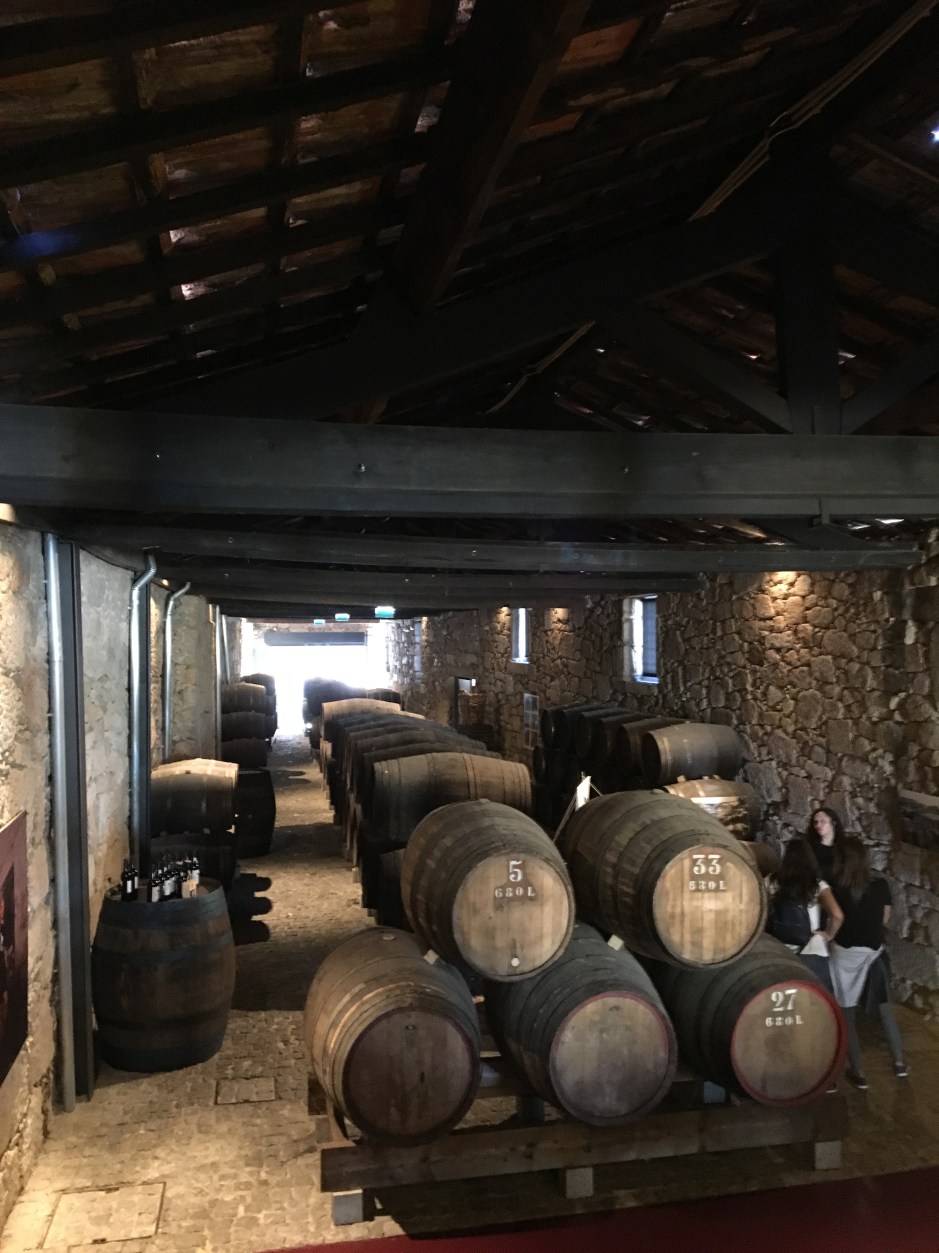
 Admittedly, the early arrival got us invited to, oddly, “relax” in the restroom while folks pulled themselves together. An older German couple straight out of central casting joined us (i.e. rude, cranky, weird older man in ill-fitting and awkward neo-90’s techno tank top and shorts accompanied by very kind, cordial wife with spiky red hair). Our tour guide, Isabel Santos, took just a few minutes to shake off last night’s partying cob-webs before launching into a well-rehearsed (but not tired) introduction to the history of the family wine house. A beneficiary of one of the world’s oldest zoning charters – 1756 by Portugal’s beloved Marques de Pombal – the property in Sabrosa along the Pinhão river produces an average of 40,000 bottles a year. The Quinta was acquired by the Queiroz Cardoso family in 1989 and has since remained in the family (with a few small enlargements) and is planted in an 80/20 red to white ratio, with the exact makeup of the varietals – like with the wines – something of a secret.
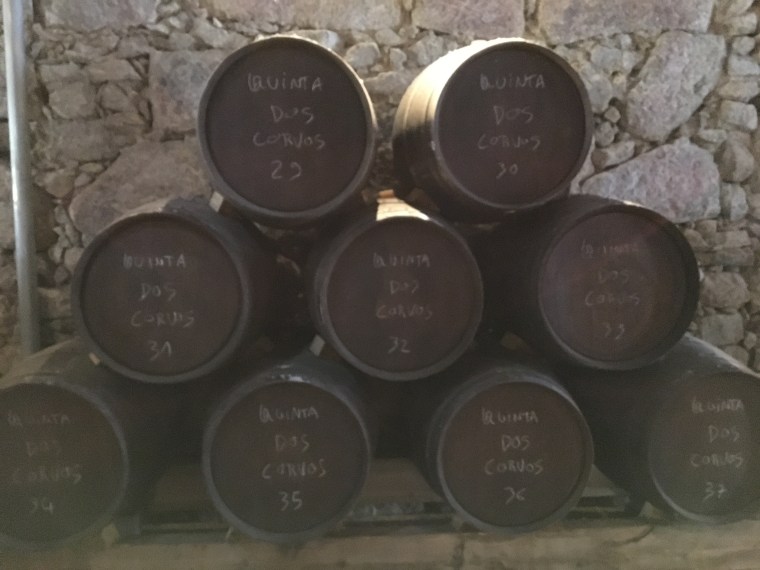 The tasting room at this wine house is stellar. One could make an afternoon of it by ordering food and other goodies. Some light snacks and a generous introductory tasting were included with the tour. Again, Isabel knocked this out of the park, appropriately generous and thorough with both pourings and knowledge. Unlike many other wine houses, Corvos offers up tastings of anything they make, if for a very reasonable price on several of the older, more advanced offerings. My comment on the likely malvasia content of the white ports (airy salinity that balances out the usual cloying sweetness of white port) won a knowing squint from Isabel, before simply commenting that she couldn’t really comment. I opted to go deep into some of the Vintages, as well as the 20 year old white port. Ultimately, I walked with a bottle of 1996 Vintage (the year I first visited Lisbon), a bottle of the 20 year white, and a bottle of their cosecha. If you only have time for one wine house tour while in Porto, make this the one . . . and don’t miss it if you’re piling up visits. Oh, and in case it isn’t already obvious, ask for Isabel.


 Posto Novo