The nose bursts into a froth of red fruits, violets, white pepper, and freshly hewn wood. This is a deep ruby-garnet, medium to light bodied beauty. Not exactly what I’d come to expect from Priorat. The typically Catalan tannins put a muscular structure on what would otherwise be a light bodied day-drinker. Strawberries, blackberries, and membrillo play on the palate with a faint cocoa-melting-to-slate tannin finish. As she opens up, the body deepens and becomes more powerful, with flavors of cassis, chewy cocoa, pepper, and faint vanilla come on. At 15%, and with plenty of acid, she’s got a kick to her that accentuates and stiffens the spine of the tannin. Very interesting Priorat estate bottling. I picked this up as a recommendation at Goñi Ardoteka in San Sebastián, Spain. Just over 43,500 bottles made. This was bottle No. 03983. Online research says that you can grab a bottle for $30-50.
- Rating: Impressive
- Name: Coma Vella 2010
- Winery: Viticultors Mas d’en Gil
- Region: Priorat
- Country: Spain
- Varietals: N/A
- Price: $30-$50
- Where to Buy: Goñi Ardoteka in San Sebastián, Spain
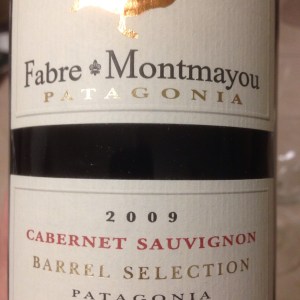 Dark cherry, cassis, and white pepper notes on the nose right out of the bottle. Rich, bold leather and balsamic notes, some creamy vanilla flavors on the front end with tight tannins bringing up the rear shutting it all down just before you get bowled over. This has been one of my favorites for a few years now and I’m working my way through the final few bottles of a case I’ve been nursing. An hour after the cork pops and after some of the 15% alcohol burns off it opens a bit further, the tannins combine with a creamy cocoa note and chewy leather. The nose takes on a faint greenness, like crushed flowers. It’s more common to run into this wine’s cousins by Fabre Montmayou – the Mendoza Malbecs are nice, but can’t quite keep up with this Rio Negro, Patagonia Cab. I believe this ran around $20-25/ bottle when I bought it. Attempts to find it in the myriad, noisy online wine resources (ya know, the reason why I started this blog in the first place) ran on several later vintages hovering in the $16/ bottle range.
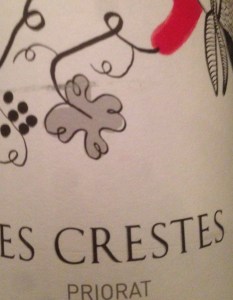 Roses, cherries, and cotton candy on the nose, right after the cork pops. This one attacks the palate with powerful Catalan characteristics of leather, barely ripe plum, faint cocoa, some herbal grass notes. A musty, dank autumn forest feel marries well with the characteristic Catalan “fuerte” tannin. As it opens up the nose shifts to toasted marshmallows, cedar, and very faint mulling spice in a nice blended harmony. Dark cherries, milk chocolate, and leather meld with roses, all shorn up with a hit of hard, Catalan tannin. This is a fine wine, as Hemingway would say. I picked this one up in Spain, either San Sebastian or Barcelona (can’t recall), but bumped into it again at a tasting in TriBeCA. No idea what price, but below $40.
 A nice bubbly dry cracker nose and straw color kicks off this brut. Rich grassiness and fresh baked pie crust with a faint hit of butter. On the back end there’s some light white pepper and a bit of mineral. None of this sounds unique, but perhaps I’m failing in the review because the moment you try this one you know you have something special. Elegant, sleek, and well-balanced. Like a few wines I’ve had, it’s actually more interesting when colder and gets less complex as it warms up. I know it isn’t supposed to be that way, but . . . I picked this one up at Chambers Street Wines in TriBeCa, NY on the suggestion of their Spain wine guru, Ariana.
 Aged in French Oak for 17 months, Petit Verdot, Merlot, and Tempranillo. I was intrigued by this one in the wine store and had to try it. Ronda, the alleged birthplace of bullfighting and final holdout for the Reconquista, is an oft-overlooked gem of a town not far from Malaga and the better-known towns that sit on the coast. It’s lovely and I’ve had fantastic meals there. It was a good choice. This is a nice, mid-concentrated red offering that I liked quite a bit. Nice garnet color with some juicy plum, vanilla, and cherry mixed with nice leathery spice notes. A light hit of tannin on the back end draws up the finish and keeps it structured and not a juice bomb. I picked this one up on a recommendation at Goñi Ardoteka in San Sebastian for around 18 Euros. Wine Searcher suggests it’s not even easy to find in Spain. So, yes, that’s not helpful, but it does put this one in the category of potential import.
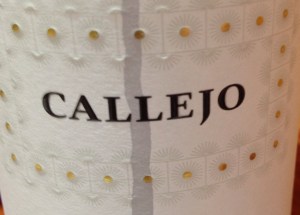 Had this wine with my birthday chuleta (steak) at Bar Nestor in San Sebastian, Spain. It was an excellent choice. Balanced tannin, dark fruit, leather, and vanilla all-orchestrated to stand up to the excellent beef Nestor pumps out of his kitchen. The bartender explained that Callejo puts out three steps of their wines, this being the entry level. If the food and wine coma had not taken over so effectively – sending us stumbling through the cobbled streets of SS’s lovely old town – I would have sprung for the next level. I will be looking for these bottles in the states as, if the entry level bottle is any indication at EU18, they are likely splurge worthy.
 I love Rhône varietals, but I honestly don’t drink a lot of Côtes du Rhône wines. Inspired by a recent podcast of the 3 Wine Guys devoted to grenache/garnacha, I decided to start my get-to-know-better exploration of these coveted French beauties. This wine really set a high bar, even though it’s not a Châteauneuf-du-Pape. The nose explodes with fruit and flowers straight out of the bottle. I honestly could have just smelled this baby for 20 minutes without tasting it. But I was a little rushed, so I dove right in. Multiple layers on this. Dried cherries, tobacco, spiced plums, with a gorgeous finish that lingers for at least 10-15 seconds. Light oak – just enough and not too much. Picked it up at Chevy Chase Supermarket for $18. Extremely recommended. A-
 Posto Novo