 Aged in French Oak for 17 months, Petit Verdot, Merlot, and Tempranillo. I was intrigued by this one in the wine store and had to try it. Ronda, the alleged birthplace of bullfighting and final holdout for the Reconquista, is an oft-overlooked gem of a town not far from Malaga and the better-known towns that sit on the coast. It’s lovely and I’ve had fantastic meals there. It was a good choice. This is a nice, mid-concentrated red offering that I liked quite a bit. Nice garnet color with some juicy plum, vanilla, and cherry mixed with nice leathery spice notes. A light hit of tannin on the back end draws up the finish and keeps it structured and not a juice bomb. I picked this one up on a recommendation at Goñi Ardoteka in San Sebastian for around 18 Euros. Wine Searcher suggests it’s not even easy to find in Spain. So, yes, that’s not helpful, but it does put this one in the category of potential import.
- Rating: Impressive
- Name: Pago El Espino 2010
- Winery: Cortijo Los Aguilares
- Region: Ronda, Malaga Province
- Country: Spain
- Varietals: Petit Verdot, Merlot, and Tempranillo
- Price: 18EUR
- Where to Buy: Goñi Ardoteka in San Sebastian, Spain
 A delightful, light, acidic, and slightly fizzy bottle of white from the hills of the Basque lands. I was first introduced to this by a friend’s father at Taberna Alabardero, who related his childhood memories of visiting family in the area and having Txakolina with bonito (somewhat resembling tuna). As he explained, the light acidity is the perfect paring with firm tuna-like fish. I also found the exact same bottle in San Sebastian, as well as at Sherry’s in Woodley Park for about $18.
 Had this wine with chuleta (steak) at Bar Nestor in San Sebastian, Spain. The second time. This is the reason I now understand the difference in term usage between “powerful” or “strong” in English wine lingo, versus “fuerte” in Spanish wine terminology. I had heard fuerte used to describe several wines in the past and was never completely convinced that the person knew what they were talking about. This wine’s excessive tannin is what they were referring to. It had a nice cherry, dark fruit front end that had a silkiness that made it worth drinking, but it finished with so much tannin as to feel like you had a piece of tree bark in the mouth. Not what I was looking for and does not bode well for future tastings from the Cigales DO.
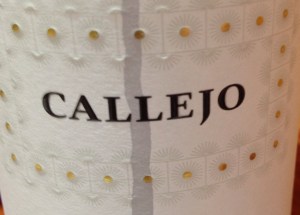 Had this wine with my birthday chuleta (steak) at Bar Nestor in San Sebastian, Spain. It was an excellent choice. Balanced tannin, dark fruit, leather, and vanilla all-orchestrated to stand up to the excellent beef Nestor pumps out of his kitchen. The bartender explained that Callejo puts out three steps of their wines, this being the entry level. If the food and wine coma had not taken over so effectively – sending us stumbling through the cobbled streets of SS’s lovely old town – I would have sprung for the next level. I will be looking for these bottles in the states as, if the entry level bottle is any indication at EU18, they are likely splurge worthy.
 100% Malvasia. An interesting little wine from the Colares wine region of Portugal. Squished between the hills of Sintra and the Atlantic ocean, the region is home to vines that – like the vines used for this wine – were never grafted because they grew too close to the sea for phylloxera to take hold. Like many Portuguese whites, a flinty, mineral character with some breezy ocean notes on it. I drank this with friends who also tend toward reds and it really caught everyone’s attention. I picked up a 375ml at
  60% Syrah 35% Grenache 5% Viognier. Simply a gorgeous wine. I was a bit apprehensive that it may not have traveled well from the August 2014 trip through Santa Ynez, but was reminded why I bought it with the first sip. I opened this with friends over some P’tit Basque cheese and marinated steak and it actually went better than the Cab. Juicy and luscious, with a spacious quality that I’m guessing is caused by the white varietal being added to the two reds. Berries, pencil tip, black and white pepper, pomegranate, and seasoned wood (and I don’t mean from barrels, I mean like an old barn). Highly recommend. Available from
  35% Touriga Nacional, 30% Tina Roriz, 25% Touriga Franca, 10% Tinta Barroca. Nice red fruit up front, strawberries and cherries. Crushed violets into a peppery finish. Just enough tannin to hold it all together with a smack of leather. One of the more well-balanced and accessible Portuguese offerings. This wine doesn’t knock your socks off, but it’s well-rounded and can go well with a lot of things, from tomato pasta sauces to smoked or grilled meats. Ranges from $12-16 as carried by Whole Foods on P Street.
 Posto Novo