Restaurante Santo António de Alfama, Lisbon, Portugal

What was once an absolute steal, tucked away in one of the Alfama’s tough to locate corner terraces, must have made its way into a guide book or two.  I’m now no longer conflicted about listing it here.

IMG_1842
Keep going, you’re on the right path.

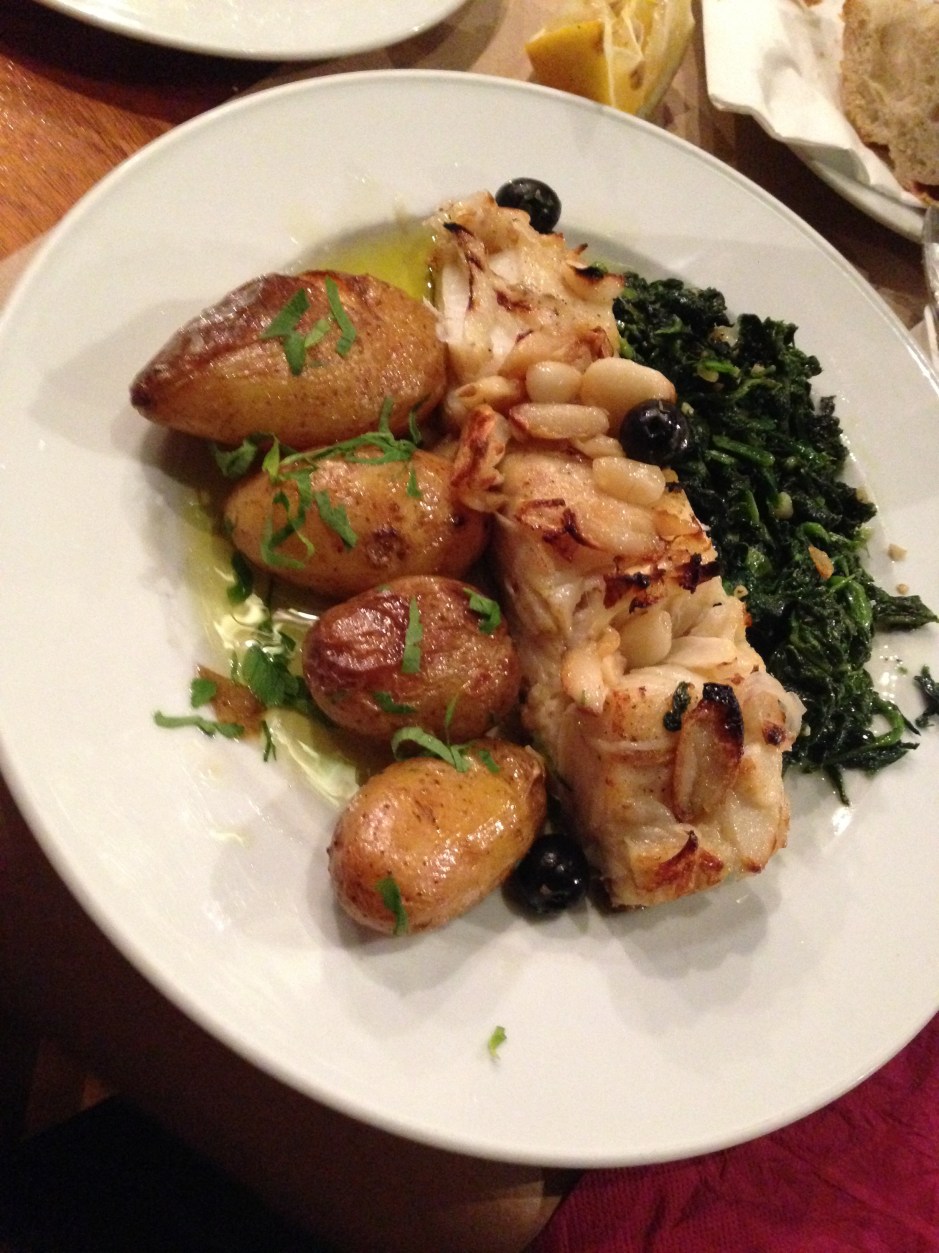
Although they recently raised their prices to be somewhat less shockingly inexpensive and shrank the number of menu offerings, it’s still great quality Portuguese food at friendly prices.  (Oddly, each time I’ve mentioned the menu changes to the staff, they denied it, saying “impossible!”)  Most of the staff here appear to speak some amount of English, though you don’t need much Portuguese to find dourada grelhada (grilled sea bream) on the menu.
IMG_1841
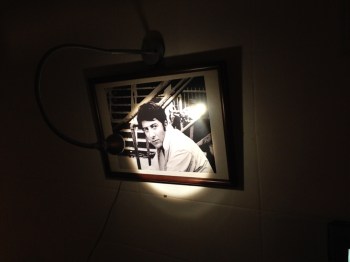
They just really like Dustin Hoffman.

The neighbors sharing the terrace add a good deal of charm to the outdoor ambiance – you will always be accompanied by at least one tiny dog, one Portuguese grandmother straight out of central casting, and a pet bird with a call so distinctive you think it’s fake at first. On the inside, the walls are covered with photographs of actors from their iconic roles, some even signed.  Dustin Hoffman in particular occupies a unique location of honor, getting his own dedicated lighting and wall just off the restrooms.

I’ve been here several times and to my knowledge there is no Fado show included.  Head to Santo António for a break from the ubiquitous singing and price gouging and a nice meal that still benefits from the unique feel of the Alfama.  Oh, and beware the fried potato skins that come with the couvert – you may end up battling your dining mates for them.

Restaurante Santo António de Alfama, Beco São Miguel 7, 1100-538 Lisbon, Portugal
Chez Henri, Geneva, Switzerland 

If you should find yourself in the Paquis neighborhood near the train station and despairing of the new hamburger rage, sick of pizzerias and kebab, duck into the rear of the Hamburger Foundation for a lovely surprise.  

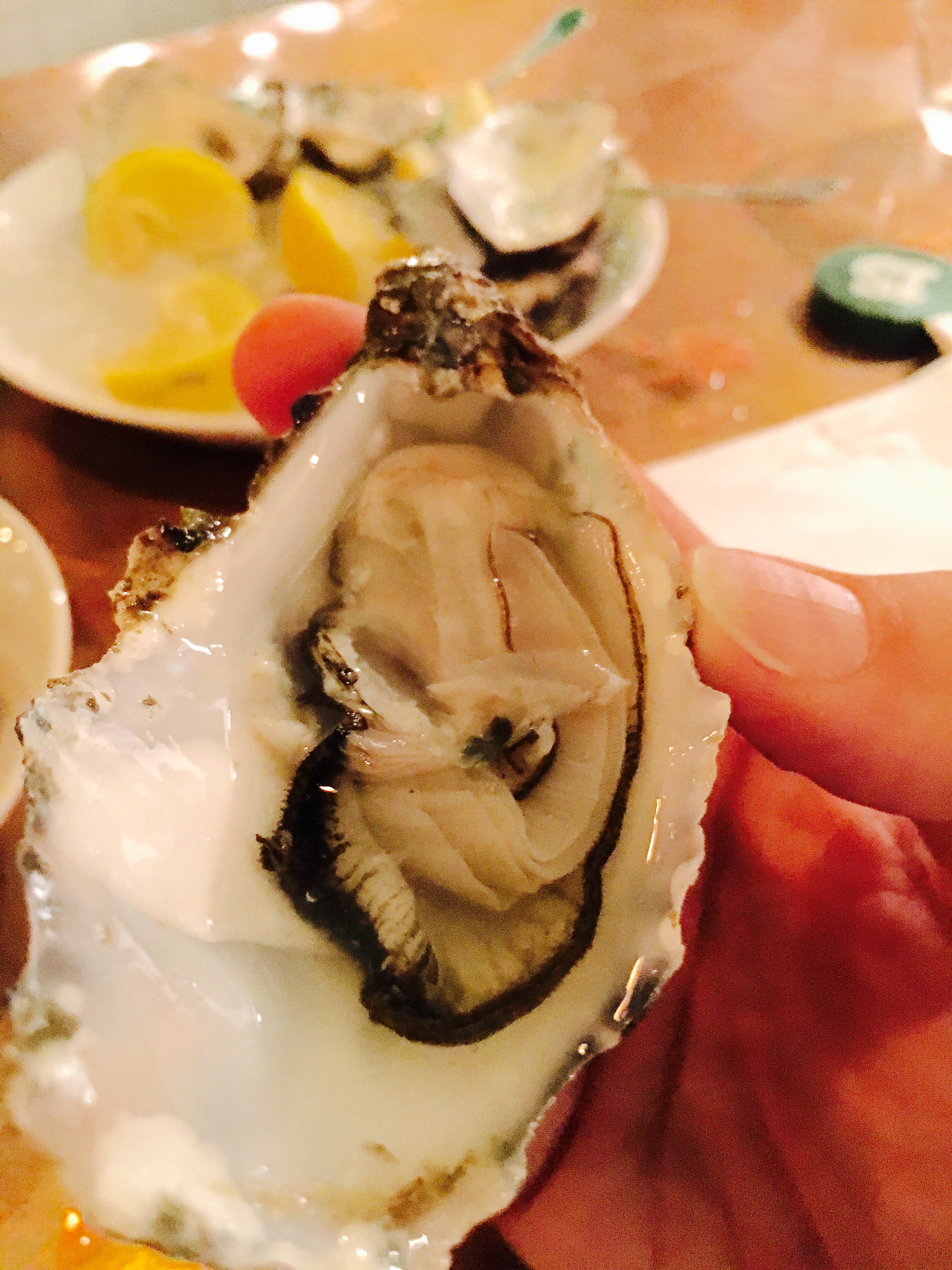
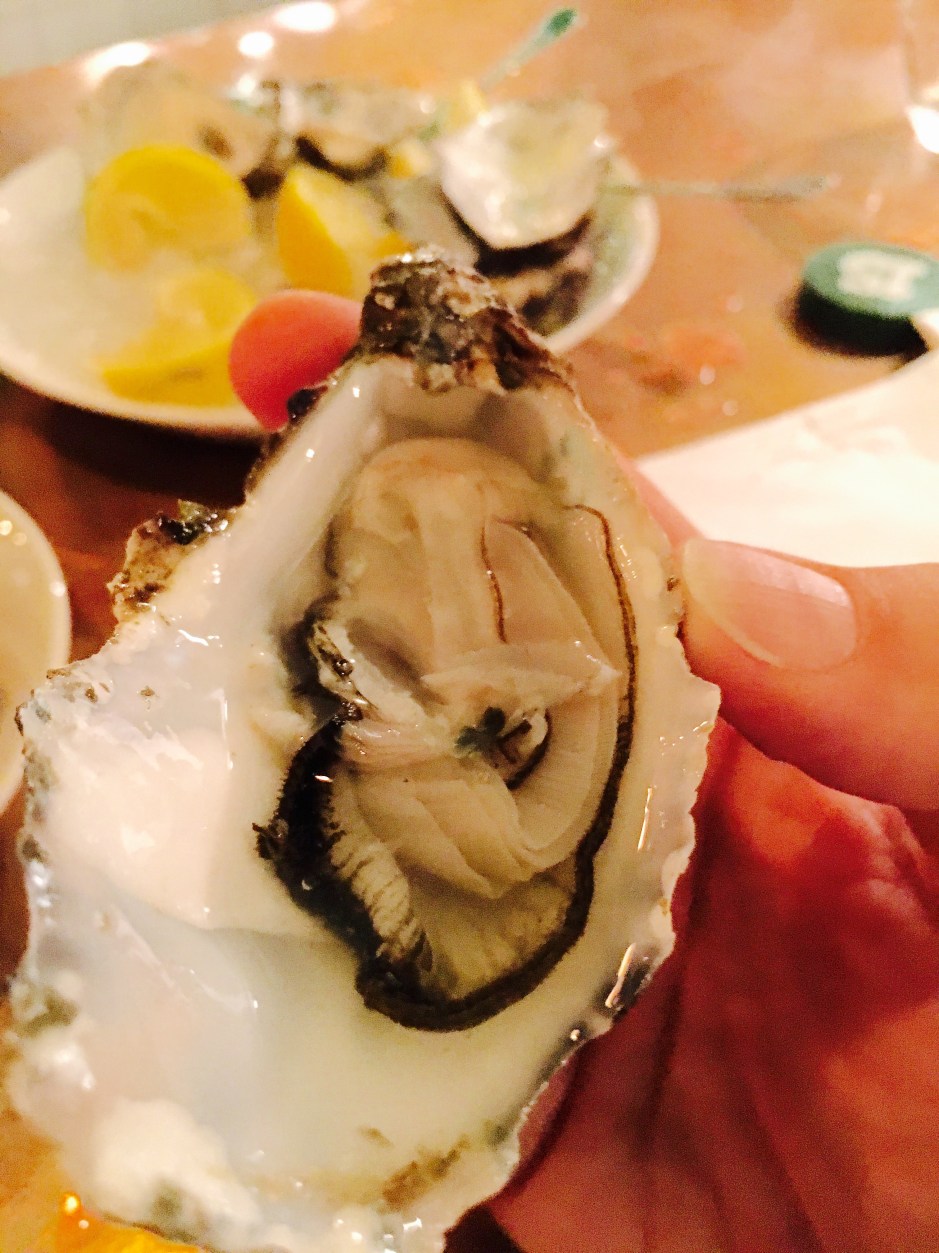
I’ve had oysters in Europe before and had always despaired of their bland flavor and  puffy texture.  Nothing like the culinary roller coaster of love you can find in most oyster bars in the US, East or West coast.  In other words, I was skeptical.  Whether it was the warm friendly service staff, the other smiling patrons, or the soundtrack that followed Edith Piaf with Chet Baker (a match truly made in heaven), I conceded to my companion’s prodding and went for it.  

I was stunned to find the familiar delcious, creamy, brininess a la kumamoto.  Shucked with love and pride right before your eyes and delivered to you by those very same hands – a stellar and unexpected treat!  If you like oysters, it’s worth the treasure hunt to find Chez Henri.  
Chez Henri, Rue Philippe-Plantamour 37, 1201 Geneva, Switzerland


A Vida Portuguesa, Lisbon, Portugal

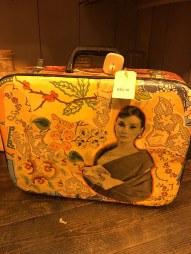
Audrey Bag
International symbol of good taste:  Audrey

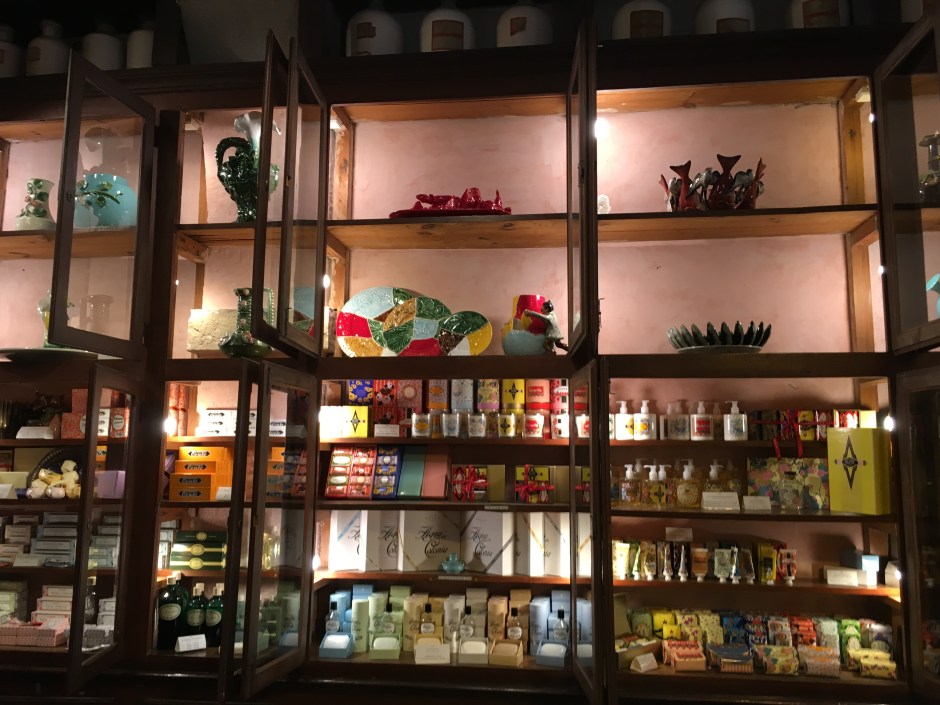
If you’re looking to better understand Portuguese culture through its food, cultural goods, and household products, while finding a unique and distinctively Portuguese gift for that special someone, this is the place for you.  This is perhaps the best of a series of shops trafficking in goods that harken back to older, arguably simpler times.  I call them saudade shops – in reference to the uniquely Portuguese word for a sense of longing for something lost – and there are many great ones.

I’ve never taken a person here that has walked out empty handed.  It just doesn’t happen.  I’ve picked up things for sisters, nieces, mom, friends, and girlfriends – not to mention more than a few things for myself.

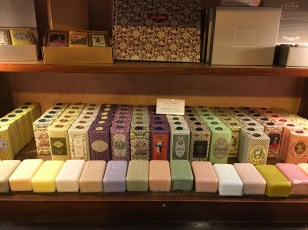
A Vida Soaps
More smells than you can handle

You just can’t go wrong.  The collection of fancy scented soaps, lotions, and perfumes is as impressively expansive as it is unique.  The fact that the clientele is at least as Portuguese as it is foreign says much about the quality and authenticity of the stock.

A Vida Portuguesa, Rua Anchieta 11, 1200-023 Lisbon, Portugal  

Ginja d’Alfama, Lisbon, Portugal


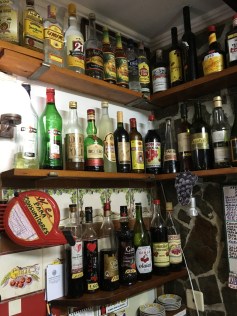
Ginja Rack
So many Portuguese liquors, so few shots and still be on your feet.

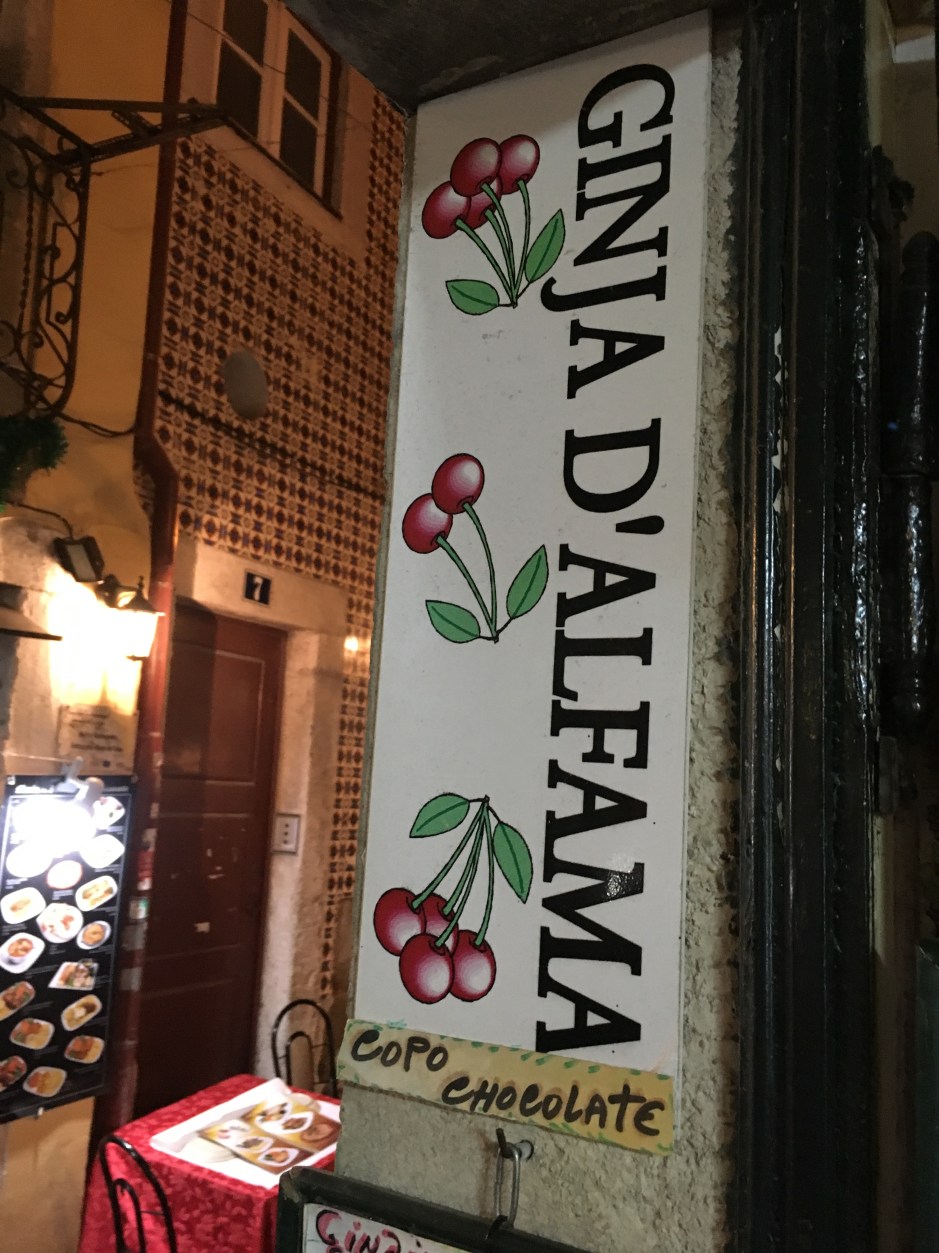
If you’re lucky enough to find yourself stumbling around the Alfama between the right hours, and if you’re lucky enough to find the doors open to this teensy little establishment, you just might be lucky enough for the aged and wise Don Jorge to threaten you with the tiny blade of his wine opener, secretly pay your tab, then bound out onto the street while pumping his biceps at the world and announcing “amanha!” before you ever know what hit you.

Eder (whom I believe speaks English) and the rest of the staff are cordial and ready with a joke and a smile.  Though the menus offer food and all manner of tipple at rock bottom prices, I’ve only ever stopped in for a medronho (arbutus berry brandy), some fresh squeezed Algarve orange juice, and the occasional cafezinho.  You’ll notice the walls are adorned with all manner of Portuguese liquor, in addition to many different brands of the traditional ginja (cherry liquor) the place is named for.  Even if, like me, you stop only for a single fortifying shot of medronho before heading to the next Fado stop, you’ll grow an affection for this little place quickly.

Ginja d’Alfama, Rua São Pedro 12, 1100-172, Lisbon, Portugal

Mesa de Frades, Lisbon, Portugal

Don’t go here.  It’s a terrible place.  If you ignore my warnings and venture here anyway, expect to step into the alternate universe of real, living and breathing, Fado.

As you approach the big wooden door at the end of what looks to be a mixed use carpark or courtyard, prepare to be greeted one of two ways.  First, if the imposingly large, old, and somewhat foreboding door is shut, your approach will surely be halted by one of several different gruff locals who are charged with the task of not letting you get near the door until the time is right.  That means that, after the current song is completed he will “ring” the doorbell, which is actually a tiny light that flashes above the singer’s head, and the door will be opened from inside by the very person who is about to send you headlong into musical revelry.

If, by chance, your timing is just right and you walk up to an open door with clusters of Portuguese folks milling around, smoking cigarettes, and laughing loudly and slapping backs, then you are in.  These folks, in fact, are made up mostly of a community of Fado players – singers, guitar players, and their close supporters – that works much more like a family, than a scene.  As with family, there is much love and support, served with a healthy dose of rivalry and teasing.  If you show up more than once, you too start to become family and can expect nods of recognition and appreciation from performers and the staff alike.  Hopefully, you speak enough Portuguese to join in the conversations – a group of older white-mustachioed enthusiasts I came to call simply “os tios” are quick to include you in conversations ranging from finding the soul of Fado, to politics and love.

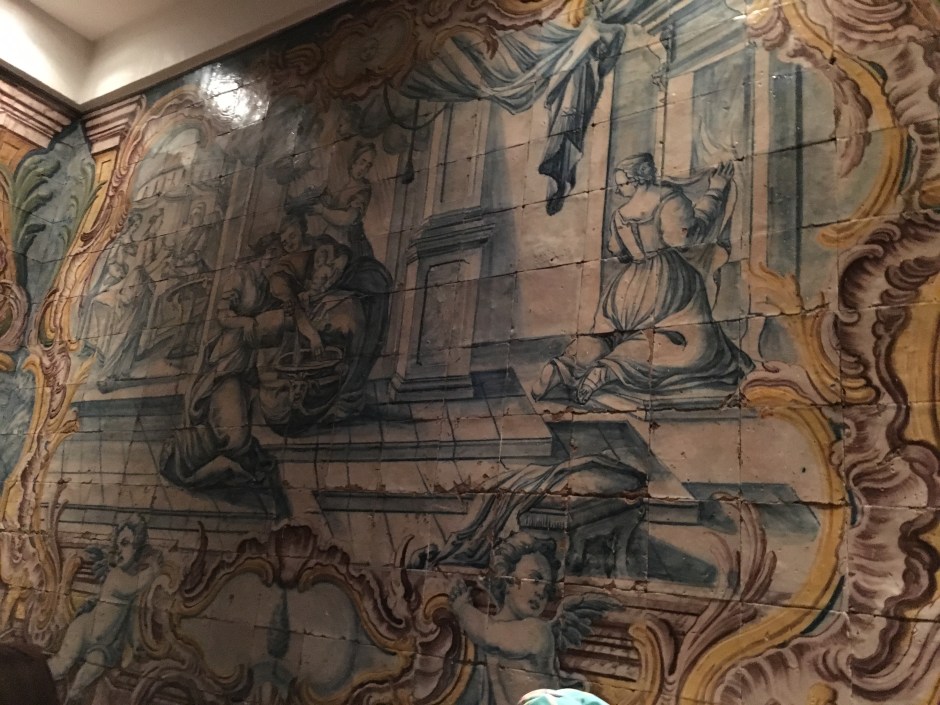
A word about the space:  there isn’t much of it.  Within a few hours of being in Lisbon you will have seen thousands of azulejo covered walls.  But Mesa de Frades is inside of an old chapel, the walls of which are covered by azulejo frescoes so stunningly beautiful that you’ll find yourself just beaming at them once the guitar player turns the lights back up.  As with all Fado, there is no amplification of the music, so shut your pie hole.  And you will be hushed as the musicians reach up and shut the lights out and you enter the dark, quiet, intensely romantic and hot heart of the fadistas who are not just performing for you, but pouring out their entire essence right there into your heart and soul.  It’s not uncommon to notice your fellow revelers wiping away tears or for you – your modern, Instagramming, Facebooking, emailing, busy persona – to just melt away into the forgotten corners of your heart, with only the strains of the Fado to guide you back out.  You’ve been warned.

Mesa de Frades, Rua dos Remédios 139, 1100-445 Lisboa, Portugal

Can Saló, Cadaqués, Spain

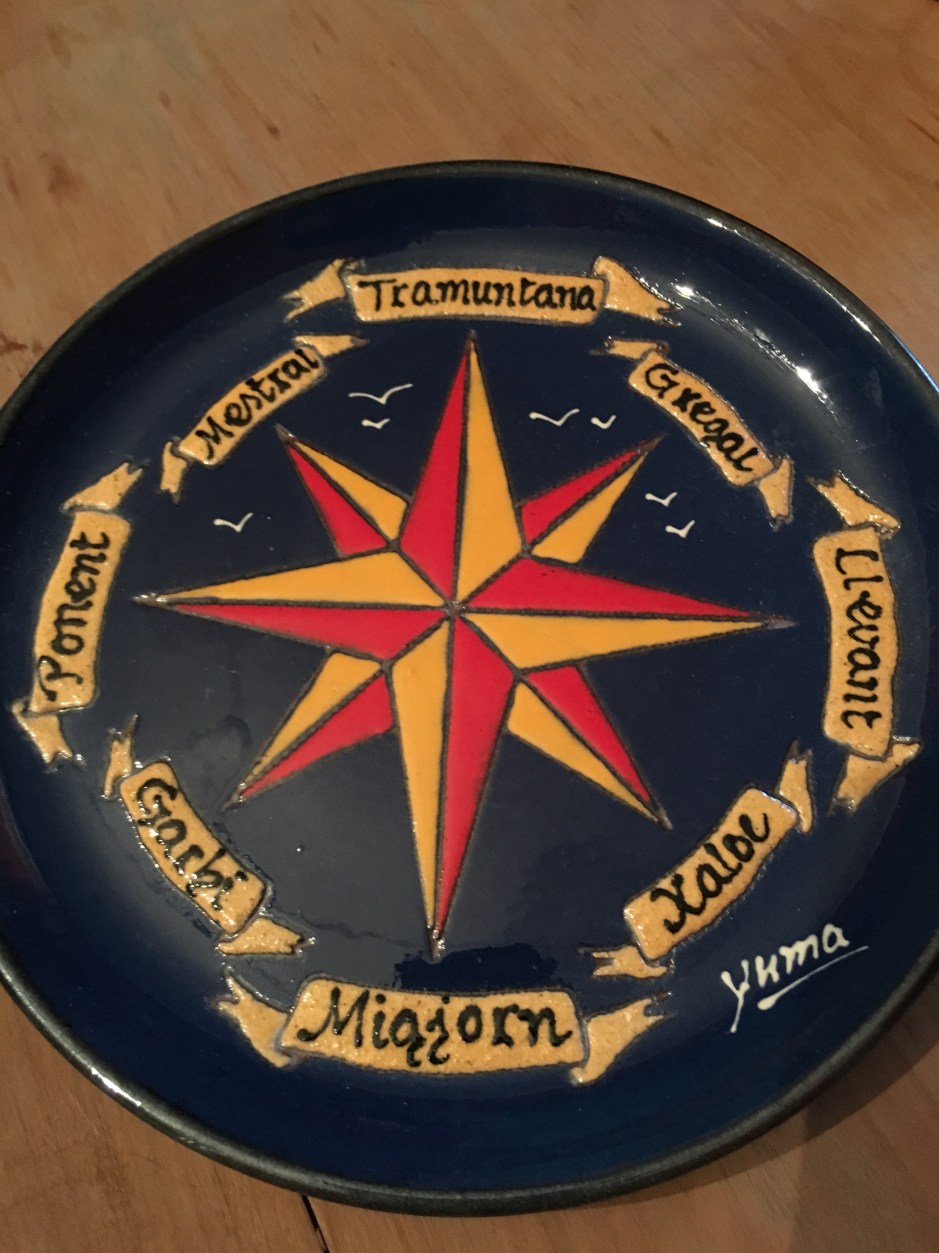
Tucked away in the corner of Plaça de Passeig you will discover this family owned gem.  The proprietor proudly claims that four generations of his family have been toiling away, making and selling all manner of ceramic and pottery goods to a mixed clientele of local consumers and foreign enthusiasts.

If you’re in Cadaqués and in the market for any sort of houseware, stop here.  And don’t forget your credit card.  This is not the home to touristy nonsense – here you will find gorgeous housewares, from plates to bowls, tea sets to figurines.  They have it all and it’s all top notch quality, often proudly signed by the, in some cases, famous artisans.  You’re welcome.  And so is your mom.

Can Saló, Plaça de Passeig, 12, 17488 Cadaqués, Girona, Spain

El Padrí, Cadaqués, Spain

So what do you do when you’re starving and it’s after 11pm in little ol’ Cadaqués?  You go see the Godfather, of course.  Jaume is the proprietor of this tiny little spot down a back alley, where he presides over a raucous crew of locals and seasonal residents.

Upon returning from the spectacular Vívid wine festival in Sant Martí d’Empúries (highly recommended in its own right) a couple of hours south of town, we discovered that the tapas served during the festival had already burned off and were craving anchovies intensely.  Although most of Spain is more than willing to feed a weary soul late into the night, Cadaqués is oriented more toward relaxation and outdoor activities and there wasn’t much to choose from.  Actually, there wasn’t anything.

On a wing and a prayer, we went for broke on a crowded and jovial alleyway, winding our way through wine-swilling revelers and the occasional dancer.  Without my trusty Catalan companion, I surely would have perished this time.  She was able to sweet talk Jaume into breaking out some of those famous excellent L’Escala anchovies (served over bread with piquillos, of course) and some pa amb tomaquet – the famous Catalan staple of crispy bread rubbed with garlic and tomatoes, then drizzled with olive oil.  It really hit the spot and I thanked my lucky stars, for surely, with both my trusty Catalan and my Godfather looking out for me, I couldn’t go wrong.

El Padrí, Carrer Miguel Rosset, 6, 17488 Cadaqués, Girona, Spain 

Compartir, Cadaqués, Spain

For over twenty years El Bulli in nearby Roses cast a shadow over Spanish, and really any, haute cuisine in a way that may not be seen again.  Though many chefs graduated from her kitchens, a few (Mateu Casañas, Oriol Castro, and Eduard Xatruch) chose not to stray far from home, landing in Cadaqués.

As the name suggests, plates are created with sharing in mind.  Toeing the line between El Bulli-style molecular gastronomy palate-bending taste experiments and traditional Catalan cuisine, this place hits all the perfect notes.

This intimate, upscale place is where you need to go to continue your Cadaqués theme of relaxation and rejuvenation.  I don’t often engage in a play-by-play breakdown of menus in this space and won’t be diverting from practice for Compartir.  But I will say, do yourself a solid and just book this one on faith.  And when you get back to Barcelona, check out their sister restaurant, Disfrutar.

Compartir, Riera de Sant Vicenç, 17488 Cadaqués, Girona, Spain   

Traumuntana Hotel, Cadaqués, Spain

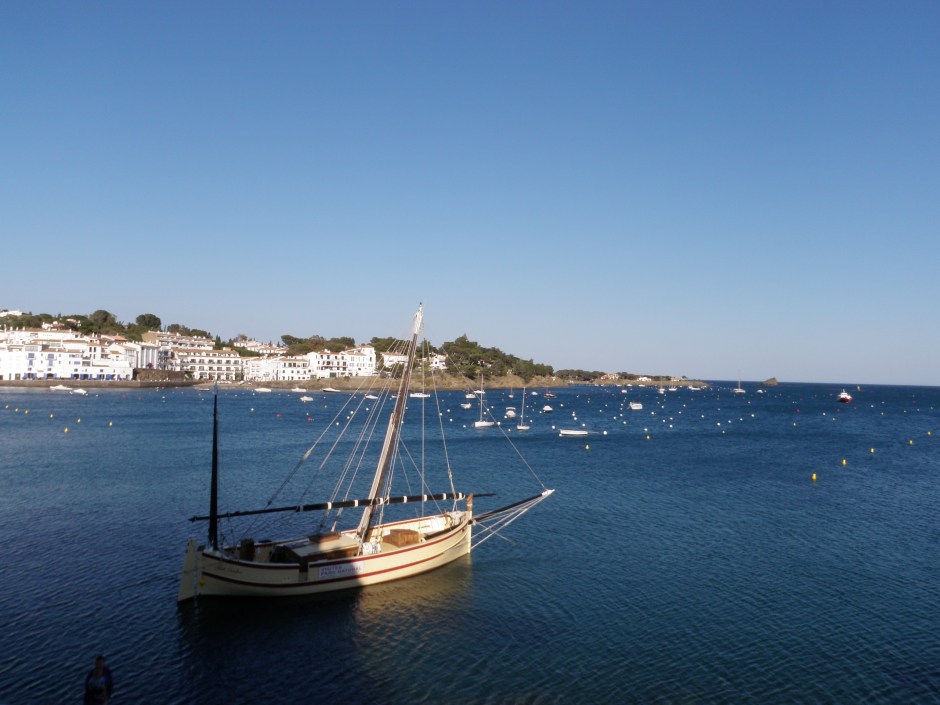
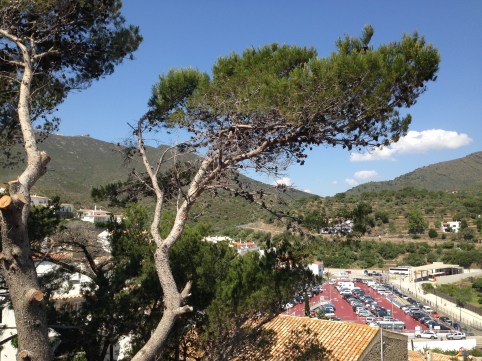
Named for the Northern Wind that cools this seaside town, this tiny hotel is aptly named.  Sitting atop the tallest hill in town, and surrounded by picturesque winding streets, this place is an absolute gem where you will be lilted to sleep each night by the sound of its namesake breeze.

IMG_2570

Carles and Rose are the locally born-and-bred couple that own and operate this lovely spot.  All the rooms are recently renovated and feature a modern Catalan esthetic of clean lines and slick design in a white-to-neutral palate.  We chose the pine room – the whistling of the wind racing through the pine needles created the sweetest lullaby, and kept us in bed a bit longer than expected each morning.

Suffice to say that we came for one night, stayed three, and nearly begged Rose to kick one of the French couples out and give us their room.  Even with my trusty “pesada” Catalan negotiator at my side, Rose stood by her reservation policy and refused to treat the Frenchies shabbily.  We were only half-joking, anyway.

To be honest, this is the kind of place that you’re afraid to write about:  you don’t IMG_2566want them to get too much exposure because you’re afraid to lose your place in line.  That said, everything was perfect.  The breakfast was spot-on each morning and Carles is happy to use his electric golf cart to haul you to the head of the hiking trails on the other side of town.  I know I’ll be back here soon.

Tramuntana Hotel, Carrer de la Torre, 9, 17488 Cadaqués, Girona, Spain      

Skybar, Barcelona, Spain

For a gorgeous introduction to nights and Barcelona, it doesn’t get much better than this.  If you come early enough, you can add a dip in the small pool to the night’s festivities.  Barring that, do like I did, bring some great friends, order from the gintonic menu, and forget that you’ve ever heard of the word “problem” – surely some form of rare rodent that lurks only in the caverns between the rooftops – only clear skies and bright hopes can you see!

Skybar at Grand Hotel Central, Via Laietana, 30, 08003 Barcelona, Spain